






Tyre Pyrolysis Plants
Waste issues, fuel and environment concerns have created an increased interest in tyre pyrolysis machines. There are vast amounts waste rubber vehicle tyres worldwide, often in huge piles waiting to be processed. Although involving some capital investment, waste tyre pyrolysis plants are an increasingly attractive option. Likely to cost six figures or higher these machines are a large investment, however disposal of rubber tyres has increasing associated costs, and charcoal and biofuel outputs have increasing value both environmentally and as an alternative fuel.
Pyrolysis plants are also used to process different types of waste, such as oil sludge, plastic waste, agricultural waste, municipal solid waste, however tyre recycling is one of the most popular uses.
In continuous tyre pyrolysis plants, valuable materials can be recovered from scrap tyres that would otherwise be incinerated or buried. Both incineration and burial of rubber-based waste has damaging environmental impacts.
A semi-continuous pyrolysis machine has screw automatic feeders as well as a rotary reactor. The intention of the screw automatic feeders is to ensure tyre waste is moved in the reactor chamber without introducing a great deal of air into the closed system. The machines may be operated with a relatively small labour force and are simple to maintain.
Continuous tyre pyrolysis machines have fixed (horizontal) reactors and automatic dischargers. The high level of automation means a reduction in manual labour costs. Furthermore, such machines take advantage of the combustible gas produced during tyre pyrolysis for reactor furnace reheating whilst maintaining state-of-the-art safety functions to ensure a safe working environment.
A continuous rubber pyrolysis plants can generate vast amounts of tyre oil, combustible gas, carbon black, and steel wire daily from waste. The plants can operate 24/7 and are made to maximise oil yields and minimise energy input. Plant configurations can also include automatic grinders.
Emission cleaning modules help reduce emissions. The initial stage cools any smoke using water cooling condensers, in the second stage, smoke cleaning occurs via water spraying, water washing, and ceramic ring adsorption techniques, activated carbon absorption towers and de-dusting finalise the process. This process ensures machines can meet strict emission standards.
--ecolife
[edit] Related articles on Designing Buildings
- Advanced bioenergy.
- Biochar.
- Biogas.
- Biomass CHP.
- Biomass.
- Biomethane.
- Combined heat and power (CHP).
- District energy.
- Drop-in hydrocarbon fuels.
- Energy.
- Environmental impact of biomaterials and biomass (FB 67).
- Feed in tariff.
- Fossil fuel.
- Methane pyrolysis.
- Pyrolysis.
- Solid biomass.
- Stove.
- Renewable heat incentive.
- Types of boiler.
- Types of fuel.
- Wood pellet mill basics.
Featured articles
Check out some of the best features and news from Designing Buildings as well as key stories from around the web.

The Master Builder: William Butterfield and his times. Book review.

Why construction can't afford to ignore the skills gap.
Building Safety Regulator, 19 August

Gill Kernick appointed Independent Chair of Residents’ Panel.
Connecting knowledge, technology and conservation
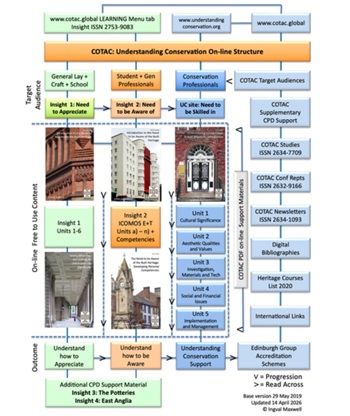
Building competence for the future of built heritage.
Building Regulations and Building Safety Act
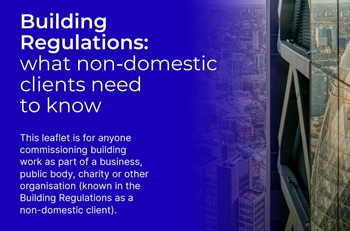
CIOB publishes free advice for non-domestic clients.

Building Safety Newsletter from MHCLG.

An extraordinary record of steel engineering worldwide.
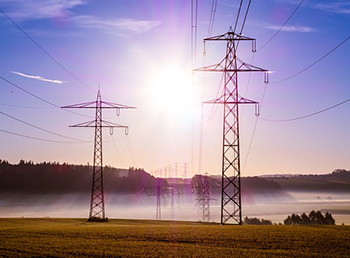
Households living near new pylons to save on bills.

ECA warns growth must not outpace grid capacity or skills.
The role of the client and decision making

CIOB response to built environment professions call for evidence.
Construction's sustainability reporting revolution
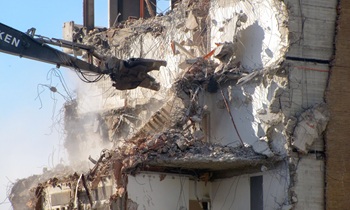
Tracking upfront embodied carbon with digital tools.
ECA welcomes procurement reforms
Public spending must back British jobs and skills.